

Depression in High School Students: When Academic Pressure Becomes an Obsession | Safe and Sound
In a society that places a high emphasis on academic achievement, high school students are facing significant pressure. Psychologists say that, worryingly, this pressure not only affects academic performance but is also a root cause of many mental health problems, with depression among high school students becoming an alarming reality.
Ngo Thi Sang | Master of Educational Psychology – Applied to Safe and Sound Mental Health Care
Institute of Applied Medical Technology
1. Why can academic pressure lead to depression in high school students?
At the high school age, students are undergoing a major transition in terms of physical development, cognitive abilities, and self-identity. This is a period when they are very vulnerable psychologically and lack the skills to cope with prolonged pressure. When academic expectations become too high, it can directly push students' emotional systems into a state of chronic stress, one of the leading causes of depression.
a. Constant expectations and comparisons cause students to lose connection with themselves.

Constant expectations and comparisons cause students to lose connection with themselves.
Many high school students share that they constantly feel they "have to be better" to be recognized. The pressure of exams, grades, and class rankings traps them in a cycle of comparison and self-criticism. Psychologists share that when achievement becomes the sole measure of value, students easily lose their self-confidence and no longer know their true strengths. This disconnect makes them prone to feelings of emptiness and disorientation, which are early signs of depression in high school students.
b. Lack of time for rest and emotional recovery.
A packed schedule from morning till night, plus extra classes, homework, and university entrance exam preparation, often leaves students sleep-deprived and mentally exhausted. Meanwhile, they aren't taught how to listen to and manage their emotions. Negative emotions like anxiety, stress, and fear of failure, if not released, accumulate and overload the nervous system, easily leading to depression.
c. Misconception: "Only achievements make a child valuable."
According to psychologists, many students carry a rigid belief that they can only be loved or appreciated if they achieve high grades or get into a good school. When they fail to meet those expectations, feelings of guilt, disappointment, and self-hatred become very strong. This is a type of systemic negative thinking, one of the common psychological symptoms of depression.
d. Lack of psychological support from family and school.

Lack of psychological support from family and school.
Most high school students are not taught how to name their emotions or how to talk openly about mental health. When facing psychological crises, many don't know who to share their feelings with, fearing being judged as weak. In an environment where fatigue or sadness is considered "normal," depression is easily overlooked or misunderstood. This leads many students to silently endure their suffering in solitude, resulting in prolonged depression without timely intervention.
2. When emotions are suppressed, depression creeps in.
Not all students have the language skills, knowledge, or courage to say, "I'm having a mental health issue." Instead, depression in high school students often manifests subtly through changes in daily behavior and emotions:
- Decreased interest in learning: Subjects that were once enjoyed become meaningless. Students study out of fear of punishment and fear of falling behind and no longer see clear goals.
- Fatigue and exhaustion: Feeling sluggish, constantly sleepy despite getting enough sleep, irritable, prone to crying, or withdrawing from social activities.
- Guilt and low self-esteem: Students easily fall into a state of self-blame, believing they are useless, inferior to their peers, and unworthy of their family's expectations.
- Persistent negative thinking: Frequently having thoughts like "things will never get better," "I can't change," and even thoughts of self-harm.
- Sleep, eating, and concentration disturbances: These are clear biological indicators showing that negative emotions are affecting the nervous system and overall health.
Without early intervention, depression in high school students can be prolonged and have serious consequences such as dropping out of school, mental breakdown, or even suicidal behavior. This is why psychology experts encourage schools and parents to closely monitor students' psychological changes, not only through grades but also through emotions, behavior, and daily quality of life.
3. Depression is not a sign of weakness or laziness!
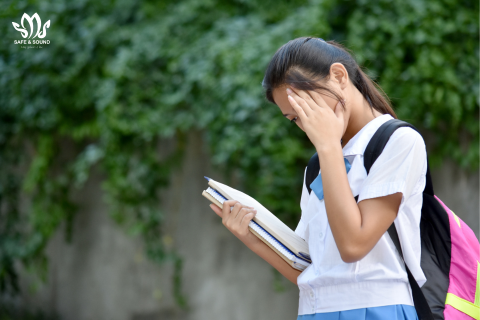
Depression is not a sign of weakness or laziness!
According to psychology experts, it's time for society to change its perspective on depression. Especially for high school students, depression is not a disease of "laziness" or "lack of effort," but rather an inevitable consequence of an education system that prioritizes results while neglecting the psychological and emotional needs of individuals.
Psychologists believe that students need to learn how to take care of their mental health from an early age, just like they learn math or writing. Only by knowing how to manage emotions, cope with pressure, and have a place to share their feelings can they develop holistically without being overwhelmed by academics.

Things families and schools can do to prevent depression in high school students:
- Listen instead of imposing: Pay attention to students' psychological and emotional well-being on a daily basis, not just focusing on academic results.
- Create a safe space for honesty: Let children know that "you can rest," and "you don't need to be perfect to be loved."
- Lower expectations, increase support: Focus on progress rather than achievement. Allow students the right to try, fail, and learn.
- Making school psychology essential: Supplementing emotional education programs, inviting psychologists to schools regularly to guide stress management skills and early detection of depression.
- Encourage students to seek mental health support when needed: Meeting with a mental health professional doesn't mean a student "has a problem," but rather it's a smart move to protect their mental health and learn how to grow up healthily.

Safe and Sound Clinic - Psychological Support and Family Health
With a team of experienced doctors and experts, Safe and Sound Clinic is a pioneer in providing comprehensive healthcare for you and your family, offering services that cover both medical and psychological care. "Early Prevention—Timely Support—Long-Term Companion." If you suspect or encounter any physical or mental health issues, please contact HOTLINE 0964 778 911 (phone/Zalo, 24/7) for prompt assistance and support! HOW TO MAKE AN APPOINTMENT You can schedule an online or in-person consultation with our experts: - At SnS Clinic - IMT Institute - Or download and schedule a consultation through the Safe and Sound app to manage and track your appointments anytime, anywhere.
Safe and Sound (SnS)—a part of the Institute of Medical Technology (IMT)

See more:
Signs of depression in adolescence
Student suicide: What changes do we need to make in schools?
Listening to your child with a psychologist: Understanding adolescent depression
